

Plug-in hybrids may emit more carbon dioxide (CO2) than their manufacturers claimed, even when fully charged, European environmental group Transport & Environment (T&E) claims.
T&E recently tested current-generation plug-in hybrid versions of the BMW 3 Series, Peugeot 308, and Renault Megane. All three are popular in Europe, although only the 3 Series is sold in the U.S., with 330e badging for the plug-in hybrid model.
In tests conducted by the Graz University of Technology (and commissioned by T&E) that started with each car fully charged, the BMW emitted three times its official rating of CO2 while following a typical commuter route of 34 miles, according to T&E. The Peugeot and Renault emitted 20% and 70% more CO2 than their official ratings, respectively.
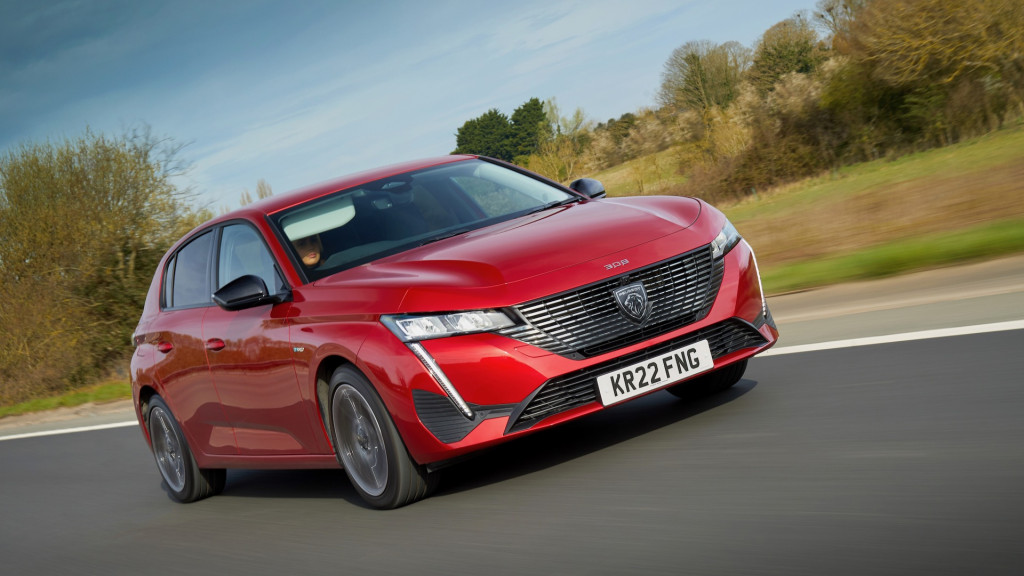
2023 Peugeot 308
The plug-in hybrids also fell short in electric range. In city driving, the BMW and Peugeot only achieved 74% and 53% of their claimed electric ranges, respectively, according to T&E. The Renault matched its claimed range, but at just 31 miles per charge, and with no fast charging available, the group was skeptical of its everyday practicality.
T&E also criticized the effectiveness of the geo-fenced behavior that BMW has been offering on its plug-in hybrids for a few years now. This is advertised as allowing drivers to switch to electric power in, for example, densely settled urban areas. But while driving through such a city center, the 3 Series switched on its engine twice, according to T&E.
This is the second round of allegations from T&E, which has published several studies looking at real-world emissions to contrast automakers’ laboratory-based testing. In 2020, the group said plug-in hybrid pollution could be worse than comparable gasoline or diesel cars when vehicles are switched into their battery-charge modes, which use engine power both for propulsion and charging.
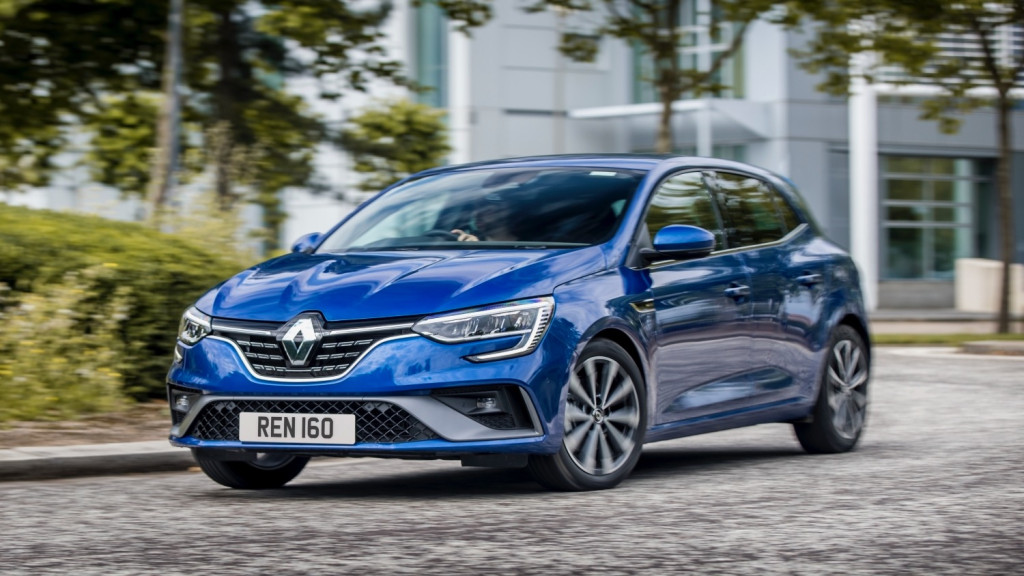
2020 Renault Megane E-Tech plug-in hybrid
Automakers have pushed plug-in hybrids as a solution to Europe’s stricter emissions standards, but that has consistently raised concerns from environmental groups. Questions regarding German automakers’ push toward plug-in hybrids go back to 2015, if not earlier.
Regulators also seem to be rethinking plug-in hybrids. A 2021 report said European regulators were considering ending the plug-in hybrid era early by adopting even stricter emissions standards that force an accelerated shift to all-electric vehicles.
In the U.S., California revamped rules will require much larger batteries and tighter tailpipe emissions rules for plug-in hybrids, mandating 50 miles of electric range by 2035. The state aims to make plug-in hybrids essentially the only new passenger cars with tailpipes in its jurisdiction by then.
0 Comments