

Automotive supplier Magna this week unveiled a new piece of hardware for decoupling EV drive motors that the company claims can boost range by up to 9%.
Disconnecting drive motors when their power is not needed reduces energy consumption and drag-torque losses from the motor and its gearbox, Magna said in a press release. That helps boost overall efficiency.
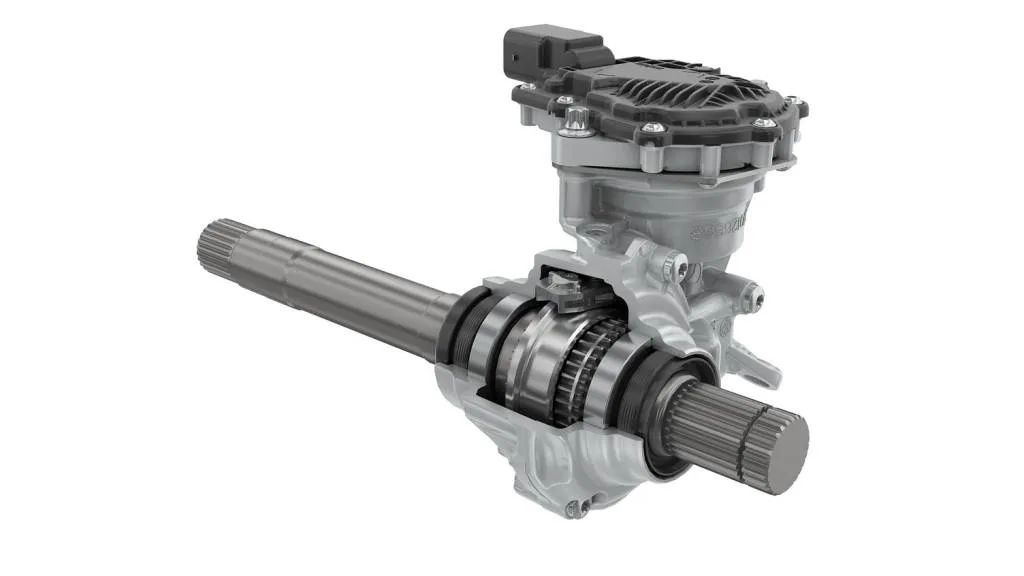
Magna eDecoupling unit
Magna claims its electromechanical eDecoupling device can be easily added to existing EV powertrain designs, interfacing with a vehicle’s powertrain controls and activating in less than 100 milliseconds. The company says the unit is suitable for hybrids as well as EVs, in vehicles including SUVs and light commercial vehicles.
Production of the eDecoupling unit will take place at Magna’s facility in Lannach, Austria. The unit will launch on “multiple vehicles of a German premium automaker,” according to the company.
Magna also serves as contract manufacturer for the Fisker Ocean, but it’s unclear whether this is the same “unique clutch” that Fisker CEO Henrik Fisker has said is being used in that EV. Magna has previously claimed, with a demonstration Jaguar I-Pace (another vehicle Magna builds under contract), that it can boost EV range up to 30% mostly with changes to software and controls.
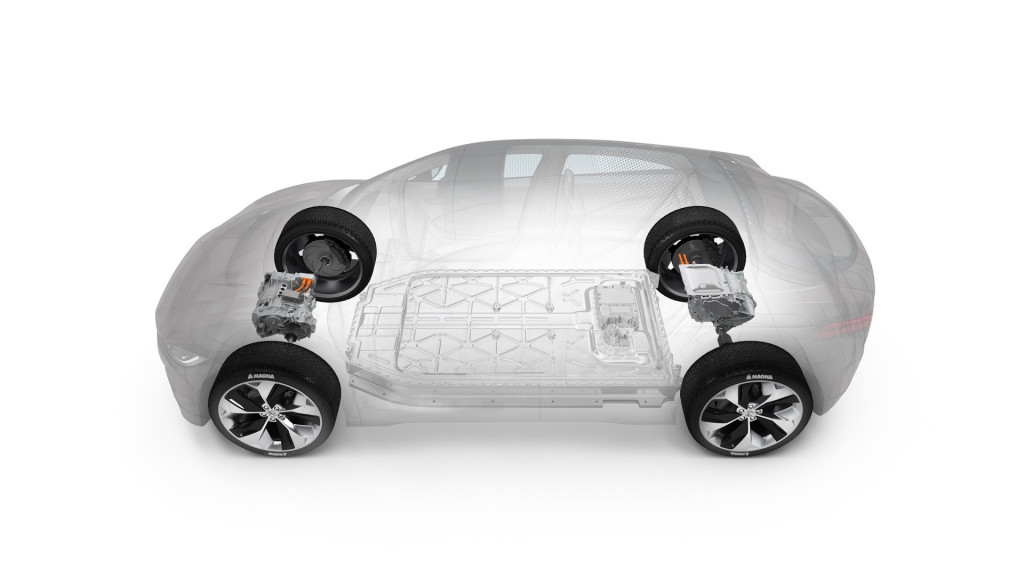
Magna EtelligentReach
Addressing drag from inactive electric motors could unlock greater EV efficiency.
Permanent-magnet motors continue to exert drag on the driveline and can’t truly coast, so they’re best engaged in regenerative braking. Many of the latest-generation electric motors—such as the ones General Motors is using in its Ultium models—have been designed specifically for very low-load conditions that would apply to cruising and coasting. Polestar has also said that its next-generation motors will be able to disconnect.
0 Comments