

This article may contain affiliate links.
Do you want to save money on car insurance by driving safely?
Connected cars are revolutionizing how insurers price their policies. Forget about age, location and credit-based scoring. Drivers want rates that actually reflect their individual risk. But there’s a big catch.
Drivers who embrace these new models could save thousands over time. Drivers who don’t participate will likely pay even more than today’s rates.
In this article we’ll cover:
- Connected Cars & Insurance Pricing
- What Insurers Are Monitoring When You Drive
- Paying for Car Insurance On-Demand
- Usage Based Insurance (& How to Reduce Rates)
- Privacy Concerns With Telematics
Connected Cars & Insurance Pricing
Connected cars are automobiles that can connect to the internet and communicate wirelessly. They can share data on driving habits such as speed, braking habits, acceleration and location in real time.
Insurance companies are harnessing the data from these devices to price customers based on actual driving behavior.
This trend is just getting started. Where insurers once relied primarily on static information like age, home ZIP code and claims history, connected cars allow them to track real-world behavior behind the wheel. Companies offering on-demand car insurance services are jumping at the opportunity to offer cutting edge technology paired with cheaper rates for good drivers. Services like Hugo car insurance are great examples.
Telematics, as the technology is known, is rapidly gaining popularity across the auto insurance industry. By 2024, the global insurance telematics market was valued at $6.8 billion. By 2034, it’s expected to reach $43.3 billion. That’s an annual growth rate of 18.9%.
What Insurers Are Monitoring When You Drive
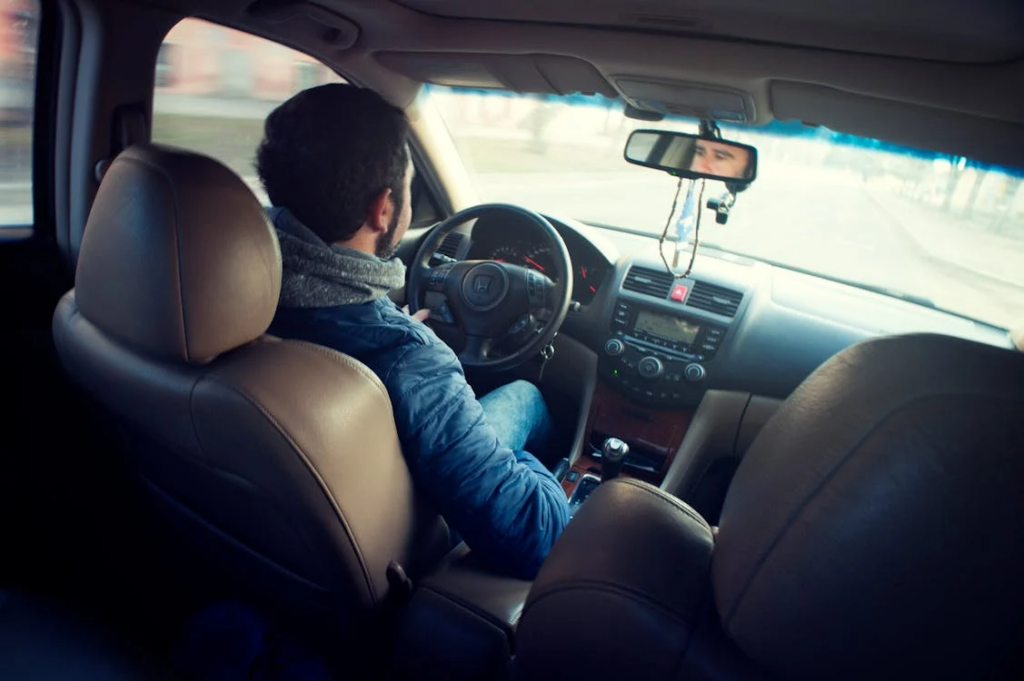
Insurers are tracking more than you think. Speeding, hard braking and rapid acceleration are some of the more obvious data points. But cell phone usage, time of day and mileage are tracked as well.
All of these habits build a score that insurers use to decide if you’re a safe driver. Good scores equal lower premiums. Bad scores mean insurers think you’re higher risk and premiums increase.
The catch? Since telematics devices provide a record of your driving moment-by-moment, you can’t argue with the data. Safe drivers will literally save money by driving safely.
Paying for Car Insurance On-Demand
Usage based insurance (UBI) is one of the biggest benefits to drivers that embrace telematics. Rather than pay a flat annual price determined by estimated risk, some car insurance companies allow drivers to pay for coverage on an as-you-drive-it basis. And that usage can refer to how often you drive as well as how you drive.
There are a few different ways insurers offer UBI:
- Pay How You Drive (PHYD): Mileage is monitored as well as driving behavior such as harsh braking, acceleration and speed.
- Pay As You Drive (PAYD): Insured pay based on miles traveled regardless of behavior.
- Manage How You Drive (MHYD): Insured receive real-time feedback with gamified challenges to improve driving behavior over time.
A Consumer Affairs survey found that drivers can save 10-25% with telematics programs. Many top tier insurers even offer low-mileage drivers discounts as high as 40%. So if you’re a low-mileage worker (remote job) or consider yourself a safe driver, then this model was made for you. The less you drive, the less risk you pose. Simple as that.
Plus, everyone wins. Drivers save money and insurance companies collect massive amounts of driving data.
Usage Based Insurance (& How to Reduce Rates)
OK. Let’s talk about actually saving money. If you’re reading this article, you’re probably already a safe driver. That’s great! You have the most to gain by participating in your provider’s telematics program.
Here are some of the basics.
- No hard braking or rapid acceleration. Aggressive driving is bad for your wallet.
- Put your phone down. Distracted driving isn’t worth the cost.
- Drive less, when you can. Lower mileage equals lower costs when it comes to UBI.
- Don’t drive late at night. Staying off the road when statistics prove you’re at higher risk will help your score.
- Keep your car maintained. Connected cars will also notify you of maintenance issues. Drive safe, and keep your car safe.
The key is consistency. Telematics apps and devices take time to calculate your average driving score. A few weeks of data is needed to form an accurate rating. One week of bad driving won’t ruin your score. But continue doing these things for a few months and you’ll start to see lower renewal costs.
Privacy Concerns with Telematics
Drivers have one big concern with telematics. Privacy. Aren’t you slightly creeped out that your insurer knows where you are and how you drive every second of the day?
You’re not alone. However, over 21 million U.S. drivers shared their telematics data with insurers in 2024. That represents a compound annual growth rate of 28% since 2018. More and more drivers are saying, “How you drive is how you’ll pay.”
If the idea of insurers tracking your location and driving behavior doesn’t comfort you, take a closer look at each provider’s privacy policy. Some promise they will never raise your rates based on telematics. Others will only raise your rate if bad habits are detected. Policies change from state-to-state and insurance provider-to-provider, so make sure you understand the ins and outs before signing up. If you already drive safe, there’s nothing to lose and everything to gain by signing up for telematics.
The Takeaway
The technology in connected cars, paired with insurance companies’ aggressive push into telematics, will make traditional car insurance a thing of the past. Instead of pricing everyone mostly the same, car insurance rates of the future will reward drivers for safe driving.
Remember…
- Connected cars allow insurers to track driving habits in real time.
- Speeding, braking, phone use and mileage impact insurance rates.
- Insurers now offer on-demand insurance that charges drivers based on mileage and driving behavior.
- Safe drivers who consistently drive safely stand to save the most money.
- Driving telematics do pose some privacy concerns. However, drivers are opting into these programs by the millions.
Drivers who jump on these new programs and technologies now will save money. Those who resist change could pay higher rates in the future.
The future is here. Ready your driving habits accordingly.



0 Comments