

This article may contain affiliate links.
The automotive industry is evolving quickly. Features like adaptive cruise control, automatic emergency braking and lane-keeping assistance are no longer limited to luxury models. They are becoming standard across passenger cars and commercial vehicles alike.
These technologies are part of the advanced driver assistance systems (ADAS), a group of systems built to help drivers stay safer and more aware on the road. In this blog, we’ll take a closer look at how ADAS works, what sensors it relies on, and why proper calibration is essential for accuracy and safety.
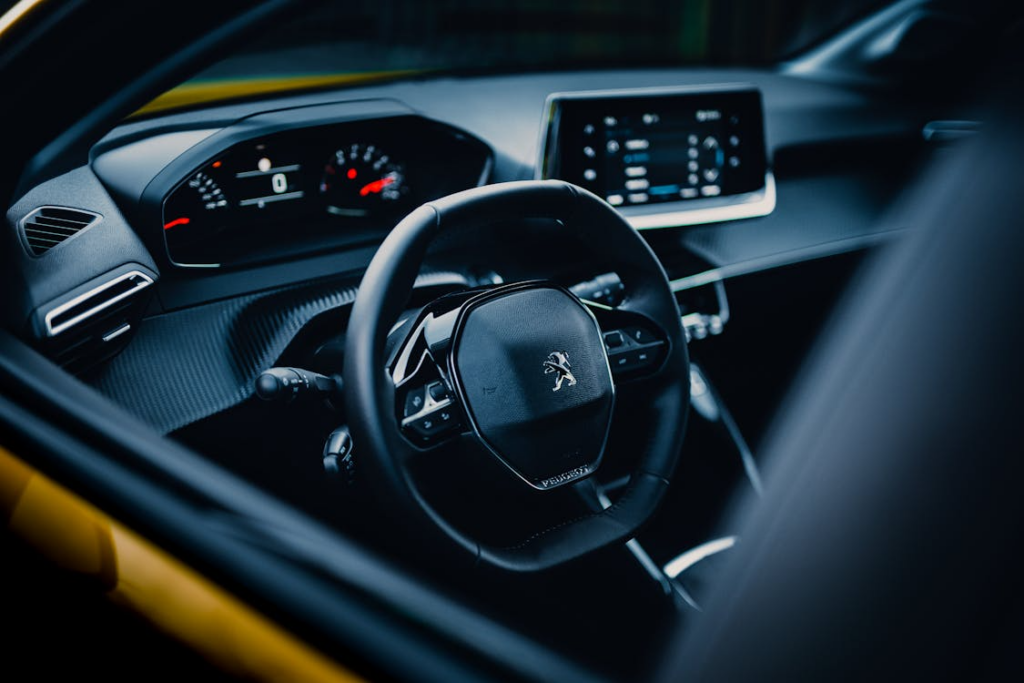
What is ADAS Technology?
Advanced driver assistance systems (ADAS) refer to a group of technologies designed to improve driving safety and reduce the risk of accidents. These systems use tools like cameras, radar and onboard sensors to monitor the road and track what’s happening around the vehicle. When they detect a potential hazard, they can warn the driver or step in with limited automatic assistance, such as braking or steering support.
Today, ADAS features are standard in many new electric vehicles as well as conventional models. A few key ADAS safety features include:
- Automatic Emergency Braking (AEB): This system detects vehicles, pedestrians, or obstacles ahead and can apply the brakes if the driver does not respond in time. It is designed to prevent front-end collisions or reduce the severity of impact when a crash is unavoidable.
- Adaptive Cruise Control (ACC): Adaptive cruise control goes beyond traditional cruise control by automatically adjusting speed to maintain a safe following distance. It is especially useful in highway traffic, where stop-and-go driving can increase fatigue and delayed reaction time.
- Lane Keep Assist (LKA): Lane keep assist helps drivers stay centered by detecting lane markings and providing gentle steering correction if the vehicle drifts. It can be helpful during long drives, but it works best when lane lines are clearly visible and road markings are well maintained.
- Blind Spot Monitoring (BSM): Blind spot monitoring tracks vehicles approaching from behind in adjacent lanes and warns drivers before a lane change. Many systems also provide additional support during highway driving, where blind spot collisions are more common.
Which Sensors Are Used in ADAS?
ADAS relies on several different sensor types, and each one plays a specific role. Some are better at recognizing detail, like lane markings and road signs, while others are designed to measure distance and speed more accurately. Because driving conditions vary so widely, this combination helps improve ADAS accuracy. The most common sensors used in ADAS include:
- Cameras (front, rear, and side-facing): Used to detect lane markings, traffic signs, pedestrians and other vehicles. They provide detailed visual information.
- Radar (short-range and long-range): Measures the distance and relative speed of objects, especially useful for adaptive cruise control and collision detection.
- Ultrasonic sensors: Typically used for close-range detection, such as parking assistance and low-speed maneuvering.
- Lidar (in select vehicles): Uses laser pulses to create a detailed 3D map of the surroundings, found in many autonomous vehicles.
- Infrared or night vision cameras (in some models): Designed to detect pedestrians or animals in low-light conditions.
- Wheel speed sensors: Monitor how fast each wheel is rotating, helping support stability control and braking systems.
- Steering angle sensors: Track the direction of the steering wheel to assist with lane-keeping functions.
- Yaw rate and acceleration sensors (part of the vehicle’s inertial measurement unit-IMU): Measure vehicle rotation and movement to support stability and traction systems.
ADAS Sensor Limitations
Even the most advanced sensor systems can struggle under certain conditions. ADAS relies on clear data to function properly, and anything that interferes with that data can affect how the system responds. Here are some ADAS limitations drivers should be aware of:
- Poor weather conditions: Heavy rain, snow, fog or ice can reduce visibility for cameras and interfere with radar signals. In these situations, the system may delay alerts or temporarily disable certain features.
- Sensor misalignment: Impacts, suspension adjustments or windshield removal can alter the precise alignment of forward-facing cameras. An ADAS-compatible windshield replacement ensures the glass is installed correctly and the system is recalibrated to factory specifications.
- Glare and low light: Direct sunlight, reflections off wet pavement or sudden transitions between bright and dark areas can affect camera-based systems. Detection accuracy may drop when lighting conditions change quickly.
- Obstructed sensors: Dirt, mud, road salt or even a small crack in the windshield can block a camera’s field of view. Radar sensors mounted in the grille or bumper can also be affected by debris buildup.
- Faded or unclear road markings: Lane-keeping features depend on visible lines. Construction zones, worn paint or poorly marked rural roads can make lane detection inconsistent.
Why ADAS Calibration After a Windshield Replacement Matters for Safety
For vehicles equipped with ADAS, windshield replacement affects more than visibility. Many ADAS features depend on windshield-mounted cameras, and those cameras require exact positioning to function correctly. When the windshield is replaced, even small changes in mounting height, angle or camera bracket placement can impact how the system reads the road.
Skipping windshield calibration after getting an auto glass replacement service can compromise the accuracy of driver assistance features. Calibration ensures the camera is correctly aligned according to the manufacturer’s specifications. When everything is properly aligned, features like lane assist and collision alerts perform more consistently. For vehicles equipped with ADAS, this step is not optional. It plays an important role in maintaining overall safety performance.
Key Takeaways
ADAS has become one of the most significant safety advancements in modern vehicles. Automatic emergency braking and blind spot monitoring are built to help in situations where drivers may not react quickly enough. When everything is working as it should, they can add a real layer of protection in everyday driving.
That said, ADAS depends on accuracy. Sensor cleanliness, alignment and proper calibration after repairs all affect performance. When drivers and fleet operators treat ADAS as part of the vehicle’s safety equipment, not just a convenience feature, it delivers far more value.





0 Comments